Industry Challenges: Building the Future Semiconductor Workforce
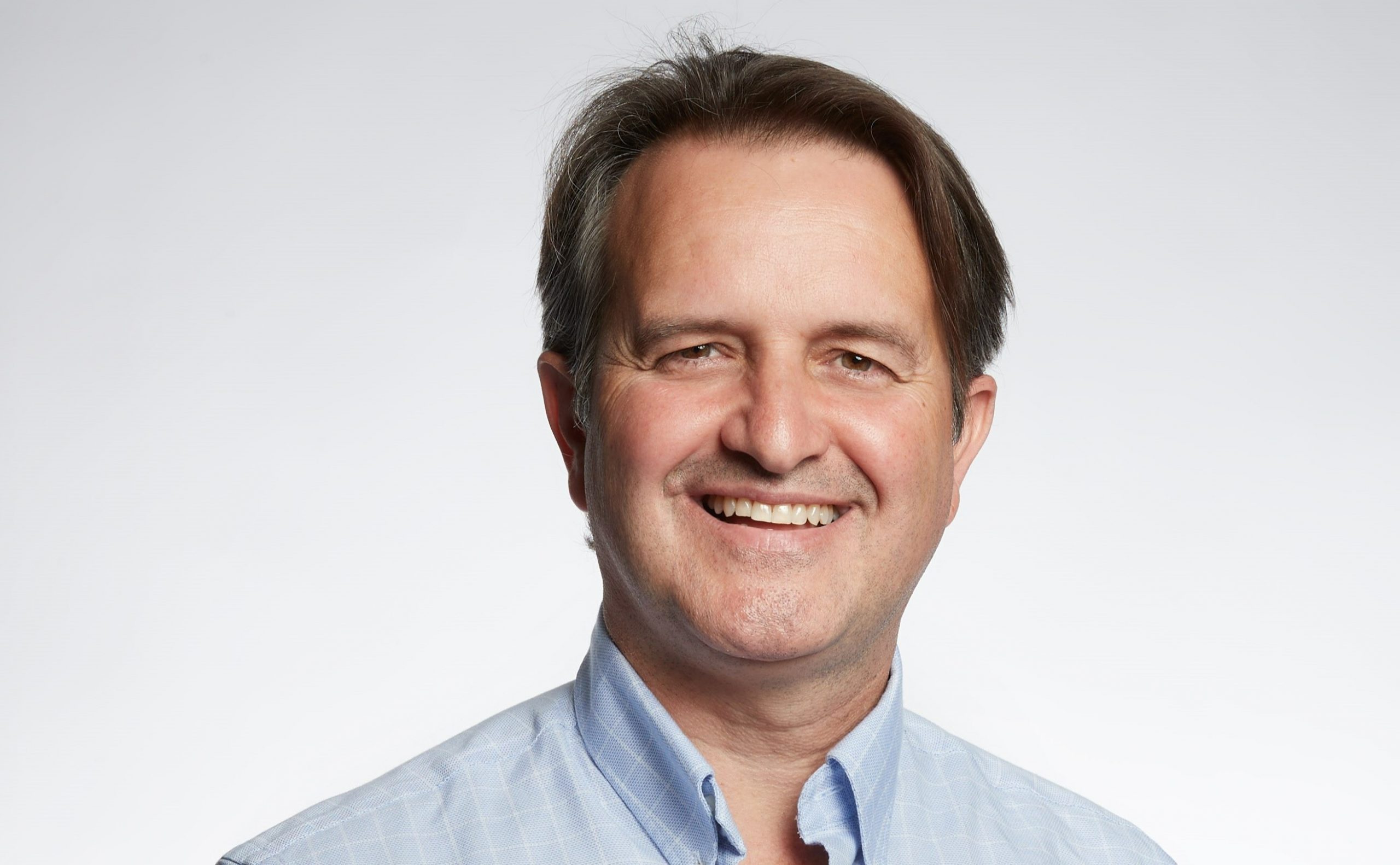
Q&A with José García, Managing Director, Manufacturing Sustainability and Autonomous Enterprise, Global Operations & Technology, Analog Devices
Q: What is your role at ADI?
A: I serve as a managing director with two complementary responsibilities. First, I focus on reducing the carbon footprint across ADI’s global manufacturing network. Second, I develop and implement collaborative automation solutions that improve safety and productivity for our people which are deployed across our manufacturing sites worldwide.
Q: What work are you most excited about right now?
A: I am especially excited about ADI’s workforce development and upskilling efforts. We are proactively driving innovative training programs that upskill our internal workforce and others in the community. The initiatives we are developing help strengthen regional economic growth and attract the next generation of talent to the semiconductor and robotics industry.
A core part of this work includes ADI Beaverton’s partnerships with universities and workforce programs, such as our ongoing partnership with Oregon State University on initiatives like VETS-UP and CorMic. ADI is also a core partner of FAST, the statewide Frontiers of Advanced Semiconductor Technology initiative led by OSU.
Q: Can you share an example of a workforce development program at ADI?
A: In 2023, ADI self-funded a 12,000-square-foot training facility called SAMU — Semiconductor Advanced Manufacturing Upskilling. This facility includes operational semiconductor process equipment and robotics systems to support hands-on, industry-relevant training.
Programs within SAMU include:
- Annual eight-week programs that upskill existing Pacific Northwest ADI production technicians into maintenance or mechatronics technicians.
- Two-week Semiconductor Training Camp sponsored by ADI and Intel for rising sophomores, combining a robotics team competition with semiconductor processing training using both virtual reality and hands-on experiences.
- Three eight-week VETS-UP bootcamps focused on semiconductor upskilling for U.S. military veterans in collaboration with OSU on the camp structure and content.
Q: Can you explain ADI’s hybrid manufacturing model?
A: ADI operates a resilient hybrid manufacturing model that combines a global network of internal fabrication facilities with external foundry partners. Today, our network includes eight internal factories and 50 supply-chain factories across 15 countries.
This approach allows us to access a broader range of technologies, operate more seamlessly across regions, and maintain flexibility and resilience in the face of supply-chain challenges.
Q: How is AI transforming semiconductor manufacturing?
A: Even as AI systems become more capable and accessible, the technology remains a tool that is shaped by human values, design choices, and governance. At ADI, we believe that progress in AI must move in step with responsibility.
AI is redefining how technology interacts with the physical world. Its ability to reason and adapt in real time, especially at the intelligent edge where products intersect with the real world, is unlocking new levels of autonomy and intelligence in products. ADI focuses on physical intelligence — electrical systems that can sense, reason, and act within the hard limits of physics, such as energy, causality, and safety.
As these systems mature, we expect human roles to shift toward areas that depend on judgment, empathy, creativity, and strategy, while AI handles repetitive and pattern-heavy tasks. The goal is to elevate human contribution rather than replace it.
Q: How is ADI positioned to capture growth driven by advances in AI?
A: Strategically, ADI is leveraging its deep expertise in electro-physical systems to develop or tune foundational AI models that can reason about — and interact with — the real world, not just process data or text. This includes close collaboration with technology partners and academic institutions to accelerate research and bring cutting-edge capabilities to our platforms.
By combining our unique heritage in electro-physical mastery with focused investment in AI research and product integration, ADI’s strategy is to deliver AI that is not only intelligent, but also physically grounded and highly relevant to our customers’ real-world challenges. This unified approach positions us to lead in the emerging field of physical intelligence.
Q: What are the biggest challenges facing ADI and the broader semiconductor industry over the next decade?
A: One of the most significant challenges is the shortage of qualified semiconductor and robotics professionals within Oregon. Until this talent gap is closed, industry leaders like ADI will continue to supplement the regional workforce with talent from other states while continuing to invest heavily in upskilling our existing employees.
Q: How could support from the state of Oregon help address these challenges?
A: There are several key levers we keep in mind that can help close the workforce gap:
- Expanding exposure to semiconductor and robotics opportunities across the K–college pipeline, including creative engagement tools like ADI’s semiconductor and robotics comics for K–12 students: ADI Comic Book 1 and ADI Comic Book 2.
- Offering short programs that allow students to explore these fields and spark early interest.
- Actively engaging in conversations with academic leaders about the skills graduates need to contribute quickly in the workplace.
Q: What opportunities do you see for the semiconductor industry in Oregon?
A: Oregon is home to one of the nation’s most significant semiconductor manufacturing ecosystems, built over decades, called the Silicon Forest. To maintain this leadership position, the state should continue to support workforce development efforts for both leading edge and legacy node manufacturing companies.
Both segments must remain cost-competitive in a global market, and improving semiconductor workforce productivity — now and in the future — is key to sustaining Oregon’s leadership.
Q: What would you like to see colleges and universities do more of to support the semiconductor industry?
A: In addition to incorporating semiconductor-focused coursework into mechanical, electrical, and chemical engineering programs, universities should integrate AI and computing into these degrees. As an example, institutions such as OSU have shifted toward electrical engineering with computing degrees, ensuring graduates enter the workforce with strong AI and computational readiness, important skills for jobs in the field.
This kind of integrated approach better reflects how the semiconductor industry is evolving and prepares students to contribute more quickly and effectively once they graduate.